
Battery Replacement in Modern BMW’s By Mporium BMW, LLC
A car’s battery is known to even the most non-technical as the heart of your car’s electrical system. Traditionally, the battery’s function was just to store enough energy to start the car, but as electrical systems become more and more complex, we see the role of a battery become much more convoluted. Modern European car manufacturers like BMW have very complex electrical systems with many BMW’s coming equipped with multiple batteries like auxiliary batteries for secondary functions. Electric car and Hybrid systems carry their own technology as well, but for this article we won’t be covering those details.
What does a BMW battery do?
For many models, a single battery exists to store energy required for seamless operation of all electrical components of the car (consumers). Not just for starting, a battery works hand in hand with the alternator (generator), acting as a buffer between the alternator’s supply and the car’s consumers for when electrical demand exceeds what the alternator is providing. This helps ensure a smooth consistent supply, preventing voltage spikes, unsatisfactory performance, or deactivation of certain features. Some technologically laden models are equipped with a second “Auxiliary” battery to augment high energy demands and support additional systems which may be even more sensitive to voltage drops. It may be fascinating to learn that all these components and functions are very closely managed by software in the car’s computer system.
Energy Storage Management.
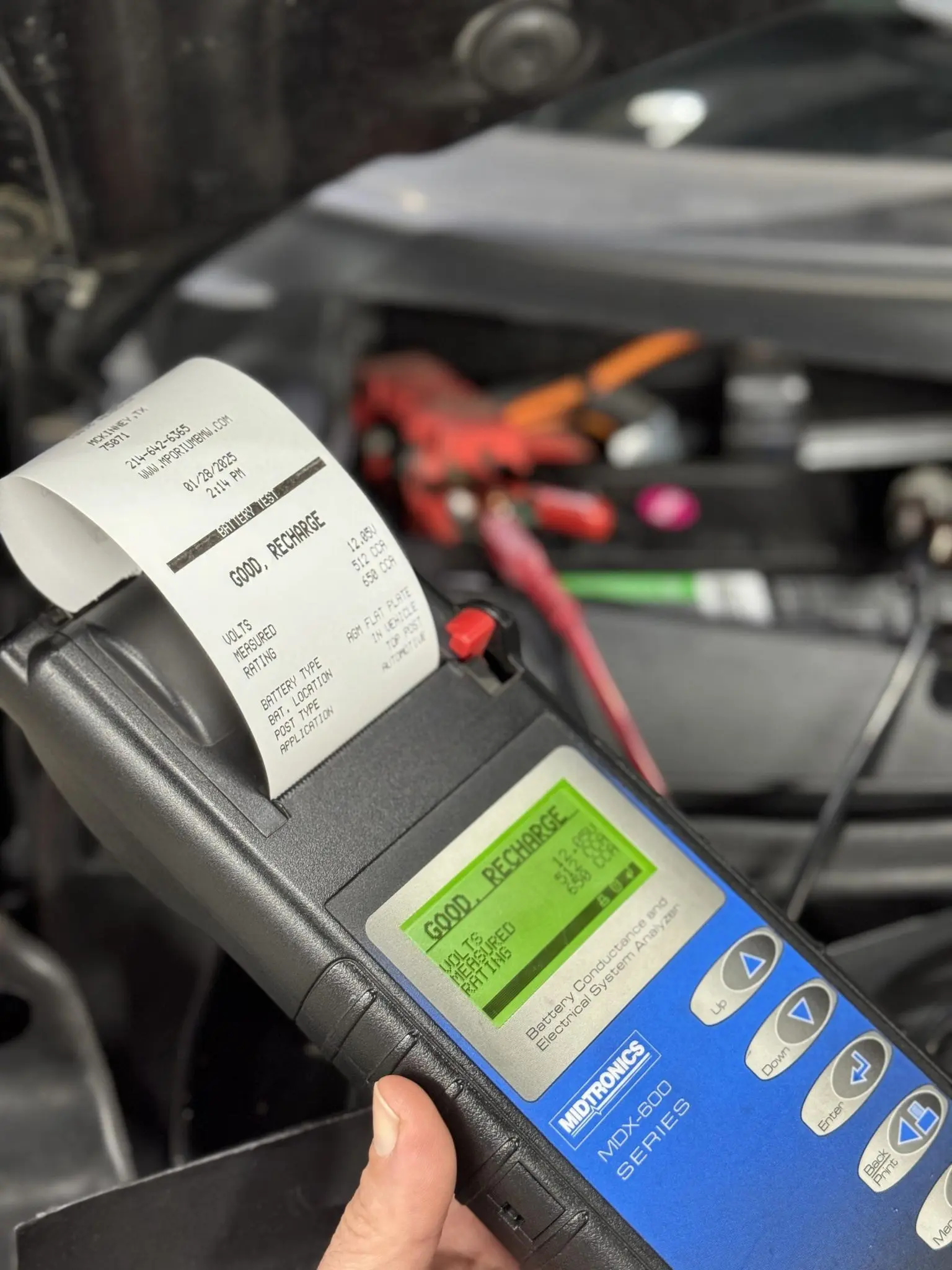
With all these components required to work closely together, the car’s various control modules communicate between themselves across data buses to manage “energy storage” within the vehicle’s global environment. Via devices like Intelligent Battery Sensors (IBS) that report measured battery parameters to the system, the vehicle not only understands the battery’s health at any time, (even storing charge histories and malfunction events), but also tailor the charging parameters over time (adaptations) to optimize battery performance and lifespan.
The system is all-knowing. It creates a data point if there is a battery drain while the car is not in use and can even identify the offender. Sometimes it may be the result of an accessory plugged into a 12v port, but sometimes a “Closed Circuit Current Violation” fault because a malfunctioning control module won’t allow the car to go to sleep to reserve energy.
A driver may see an “Increased Battery Discharge” in some severe cases, but more often only a fault code is logged for a technician to flag at the next service.
During operation, a failing battery that can’t keep up may cause alternator overload and result in certain non-essential features to be deactivated such as heated seats or window defrosters… As voltage continues to drop, more critical systems like ABS and stability controls are deactivated to help allow the engine to stay running. The car does everything it can to preserve its ability to restart and stores many faults along the way.
Often, a driver may never observe any symptoms until the problem reaches a critical phase and the battery is no longer able to start the car. Unfortunately, this post-critical phase is when many drivers finally become aware that there’s a problem. At that point, a BMW technician should evaluate the car’s fault history to determine correct repair actions.
Battery replacement and registration coding.
Before cars became so technologically advanced, batteries were a simple exchange that the driver might perform in the parking lot of an auto parts store. Many drivers might still assume the same practice is needed every year or two for their modern BMW. This can be a costly habit to break, however.
Since the implementation of the IBS control in the early 2000’s, the car must know when a new battery is installed, plus what size and specification. Otherwise, the system operates incorrectly and does not maintain the battery properly. This will result in malfunctions across electrical systems and reduced battery lifespan. This technology is one reason why we see exceptional longevity from BMW batteries, with some lasting up to 10 years or more! For this type of long life however, the system must be maintained and serviced properly by BMW technicians.
Anytime a battery within this system is replaced, you must “tell” the car that a new battery was just installed (coding), so that it may reset the system and adapt to the new battery. This is done by BMW diagnostic software as battery “Registration” and is the most frequently overlooked aspect of replacing a modern BMW’s battery.
Furthermore, the exact same size and capacity battery must be installed as the car is coded for, otherwise the system will not charge correctly, and the battery will fail prematurely. If a different battery capacity or type is installed, Retrofit Coding is required. Often, we find incorrect batteries failing that were installed elsewhere, and the customer is surprised or indignant when we inform them that the battery again requires replacement.
All batteries are the same?
This is a common assertion usually made by stores and vendors who don’t offer OEM grade batteries. Not all batteries are of equivalent design, and not all are manufactured to the same quality level. HOWEVER, it’s also true that just because a battery is more expensive, it doesn’t guarantee it will last longer.
Some vendors might label one particular battery at three different price tiers with the only difference being the length of the warranty. This is the most common scenario that might have shoppers concluding that all batteries are indeed the same. Think of it like paying for an extended warranty for your battery.
It’s true that in the USA there are only a handful of manufacturers that actually build the batteries for our vehicles. These are labeled under hundreds of brands and sold all over. It’s important to understand that not all are created equal or are expected to provide the same long life in your car. Marketing materials can be misleading so it’s important to be educated if you plan on tackling battery selection yourself.
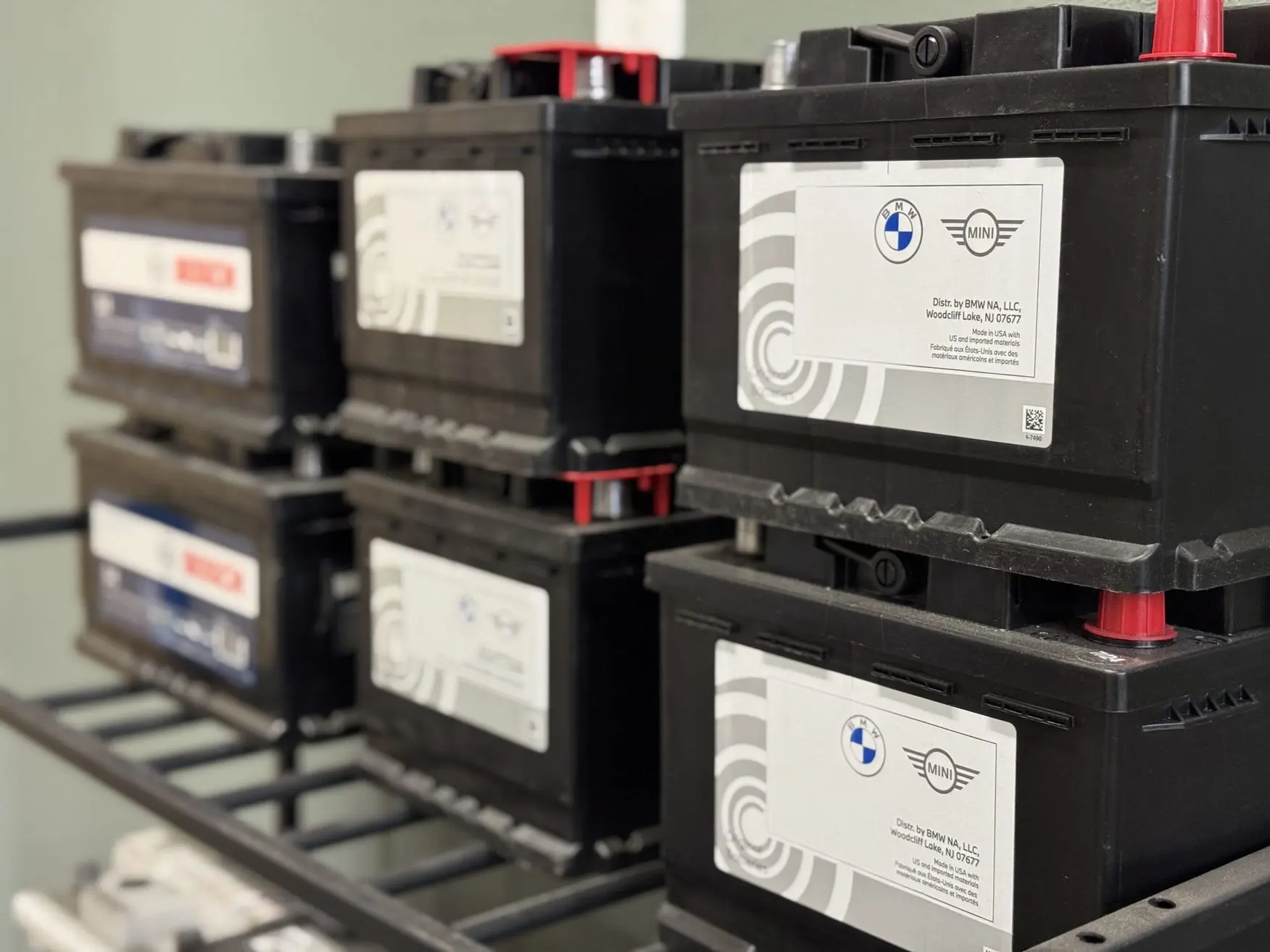
BMW batteries are chosen by their engineers from manufacturing leaders to meet stringent specifications and provide seamless integration into their electrical systems, ensuring the longest lifespan possible in the car. For this reason, Mporium primarily sells Genuine BMW batteries and recommends them whenever possible. Some applications can be substituted with premium options such as the BOSCH S5 or S6 which feature exceptional construction and extended free replacement warranties, albeit at a higher cost.
What reduces battery lifespan?
Some of the most common issues we observe are:
• Infrequent use- Frequent ‘cycling’ of the battery’s charge acts like maintenance and improves lifespan. Driving your car regularly helps achieve the longest battery life. Consider a battery tender for vehicles parked for weeks at a time, because even a perfectly functional system consumes a slight amount of energy while stored.
• Inferior battery- Inexpensive batteries with budget-minded construction should be avoided as it causes a situation of false economy, requiring more frequent replacement.
• Malfunctioning electrical system- Failing control modules or other components can result in unauthorized discharging or poor recharging of the battery and reduced life expectancy.
• Temperature extremes- Well built batteries are less susceptible to this concern but extreme heat and extreme cold, and rapid temperature swings can potentially reduce lifespan. Garaged cars and models with batteries in the passenger compartment/trunk often enjoy the longest lifespans.
• Incorrect installation- Failing to properly secure the battery or tighten its electrical connections can result in life reducing vibrations and high electrical resistance. A loose gas venting hose can also result in corrosion and body damage. Lastly, most modern systems with IBS functions require the battery to be coded/registered to the car via BMW diagnostic software.
How much does a battery replacement cost?
Modern BMW’s can come equipped with a variety of battery sizes depending on the model, options package, and whether it’s the primary starting battery or a more specialized Auxiliary battery, and their chemistry or type. It’s important to note that one must check the vehicle coding to determine its correct battery specification. Visually inspecting the existing battery doesn’t guarantee it’s the correct one for the car, especially if you suspect it had been replaced previously.
A typical Genuine BMW battery cost might start at roughly $235 and go up to nearly $2000 for some lightweight lithium batteries in ///M cars. The average is roughly $300 in 2025.
Labor to remove and replace a typical battery is minimal, however when considering the mandatory software actions for coding, a half hour of labor is typical. Some models like the X1 require moderate disassembly to access the battery and therefore require more labor time for replacement.
Let a specialist like Mporium BMW help ensure that your BMW’s electrical system operates properly and enjoys the longest lifespan. We understand their intricacies so that you don’t have to stay on top of ever-changing technologies. Even a simple visit for an oil change should include an overall vehicle health check to keep you apprised of upcoming needs before they take you by surprise or leave you stranded. Contact us today for more information.